
We offer more than 75 crushed stone products available in a variety of colors, sizes, and gradations.
Concrete Sand vs Masonry Sand in New Jersey + Pennsylvania: What to Use and When
When you order sand for a job in New Jersey or Pennsylvania, you’re often choosing between concrete sand and masonry sand. They might look similar, but they’re engineered for very different purposes. Understanding the difference can save time, money, and frustration on your next project.
How the Sand Is Produced

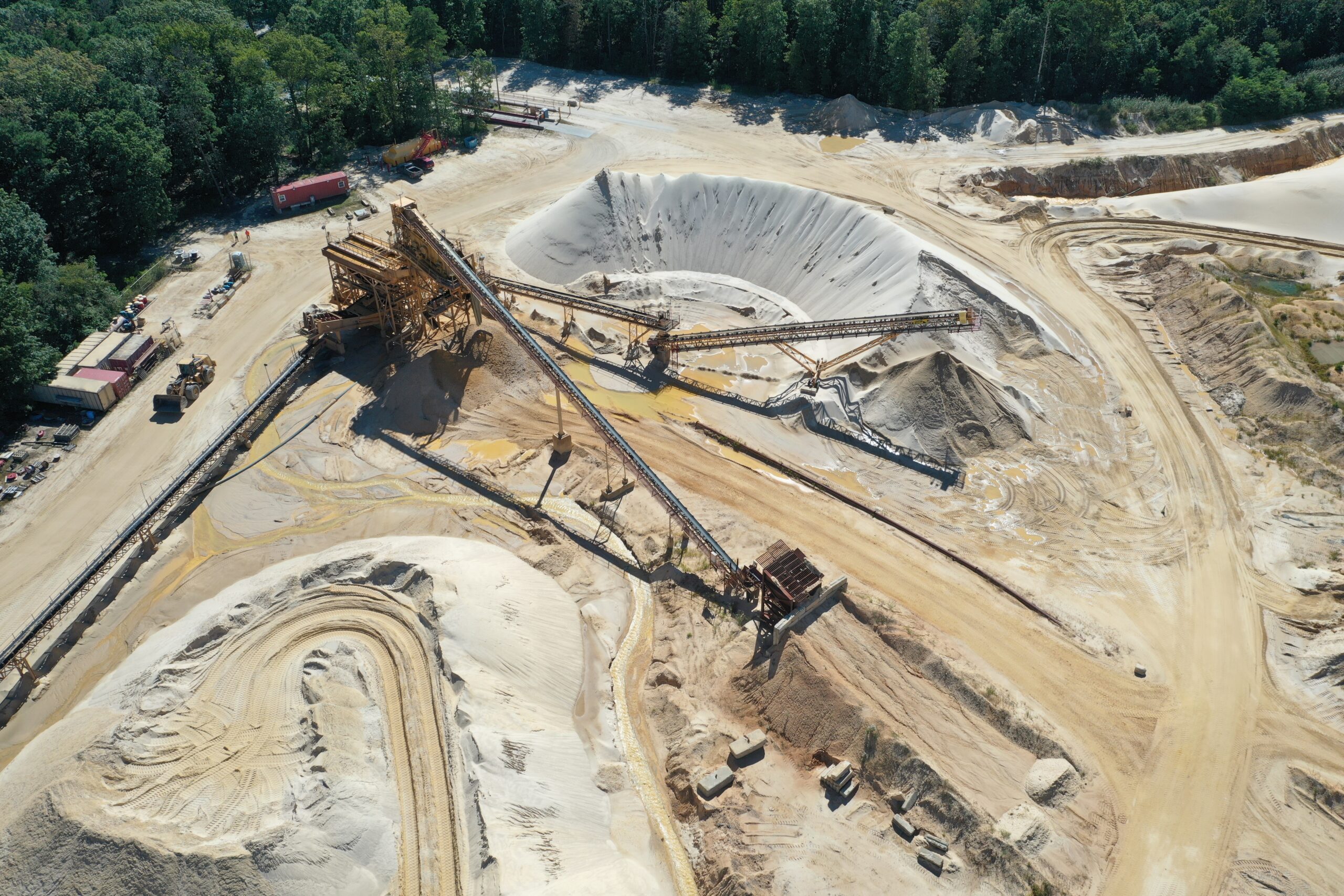
At modern sand plants, sand is mined underwater using a cutter-suction dredge that pumps material to shore for processing. From there, the sand moves through shakers, classifying tanks, and washers that separate particles by size before it’s stockpiled for delivery.
This precise process allows plants to produce consistent, specification-grade sands day after day (typically concrete sand, masonry sand, and separator sand used in sitework and septic applications).
Among those, concrete sand is the most widely produced.
What Is Concrete Sand?
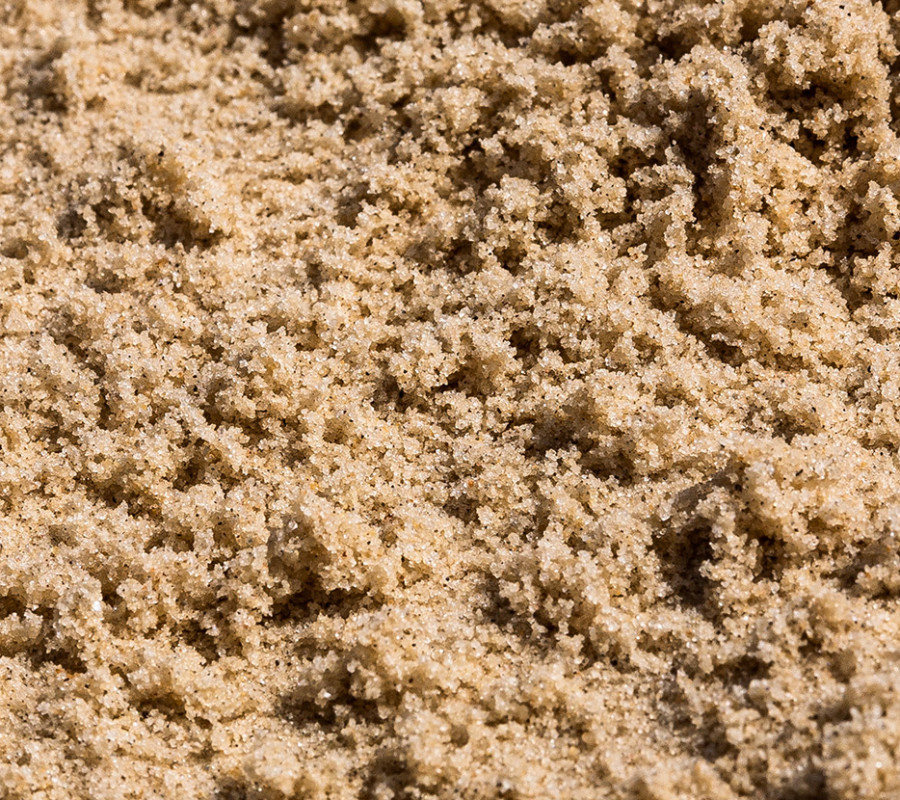
Concrete sand is the coarsest of the washed sands. It contains larger particles, often up to a quarter inch, and is designed to create strong interlock within concrete mixes. Common uses include:
- Ready-mix concrete
- Concrete block and precast production
- Asphalt mixes requiring coarser aggregate
- General construction fill where drainage is important
Concrete producers rely on this material because their mix designs are built around a known gradation and moisture content. If those change, the entire batch can be affected, altering water demand, strength, and workability.
To prevent that, reliable operations run multiple gradation tests each day, following NJDOT and PennDOT specifications to ensure consistent material.
What Is Masonry Sand?

Masonry sand is a much finer material. Most of its particles fall between the #30 and #100 sieve sizes, giving it a smooth, uniform texture ideal for mortar and finish work.
Typical applications:
- Brick and block mortar
- Stucco and plaster
- Paver joints and bedding
- Pool, landscape, and athletic surface finishing
When masonry sand is too coarse, mortar can feel gritty and difficult to spread. Fine, evenly graded sand helps it flow smoothly and creates clean, professional finishes.
Concrete Sand vs Masonry Sand: Key Differences
| Attribute | Concrete Sand | Masonry Sand |
| Particle Size | Coarse (¼” down to fines) | Fine (mostly 30–100 mesh) |
| Texture | Gritty | Smooth |
| Primary Uses | Concrete, asphalt, structural work | Mortar, stucco, decorative, pavers |
| Testing | Strict daily gradations for DOT work | Fineness and uniformity for finish consistency |
| Result | Strength and drainage | Smooth finish and workability |
Concrete sand provides structure. Masonry sand provides finish. Both are washed and screened, but each is optimized for a completely different performance outcome.
Why Gradation Consistency Matters
In both concrete and asphalt production, gradation consistency is critical. Plants depend on predictable material to maintain quality and control costs. If the sand gets coarser or finer than expected, it can throw off water demand and cement ratios, creating delays or rejected loads.
At high-production facilities, quality teams take multiple samples daily, checking particle distribution, pH, and other characteristics to keep every shipment inside specification. That reliability is one of the main reasons producers across the region source from dredged, washed operations rather than pit-run material.
Understanding Regional Specs
Most public and commercial projects in this region follow NJDOT or PennDOT requirements. Those standards dictate everything from particle-size distribution to cleanliness and absorption.
Because those expectations are well established, sand producers design their systems around them, ensuring that material stays within tolerance, even as dredges pull from different sections of a lake or pit.
For contractors and plant operators, this means:
- If your job calls for concrete sand to DOT spec, use concrete sand.
- If it calls for masonry or mortar sand, don’t substitute unless approved by the engineer.
- If you’re unsure, share your project type and location. Suppliers can match you to the correct specification.
When to Choose Each Type
Choose concrete sand when:
- You’re producing ready-mix or block concrete
- You need strong interlock and drainage
- The specification references “concrete,” “coarse,” or “ASTM C33” sand
Choose masonry sand when:
- You’re laying brick, block, or stone
- You need a smooth, workable finish
- You’re setting pavers or working on decorative or landscape features
Matching the right sand to the right job improves performance and ensures you pass inspection the first time.
Local Advantage
New Jersey and Pennsylvania have a long history of high-quality sand deposits that support the region’s concrete, asphalt, and masonry industries. Dredged sand from operations like Silvi Sand’s plants offers consistent, clean material that meets state specs and shortens delivery times to jobs across the Mid-Atlantic. For builders, that means fewer mix adjustments, better quality control, and reliable supply, whether the order is 20 tons or 20,000.
Not Sure Which Sand You Need?
If you’re planning a project and aren’t certain which sand is right, our team can help match your specification, location, and end use to the correct product.
Contact Silvi Materials to discuss concrete, masonry, or separator sand options near you.


